Botox sits at an unusual crossroads of medicine and aesthetics. It is a prescription neuromodulator that physicians use therapeutically, yet it has also become a household name in beauty care. That dual identity can make the conversation feel slippery. I have advised patients who arrive convinced Botox facial treatment will freeze every muscle in their face, and others who expect a single session to erase twenty years. The truth lives between those extremes. When performed well, Botox cosmetic treatment softens specific expression lines, preserves natural movement, and creates a rested look that holds up in natural light, not just on a front-facing camera.
This guide unpacks what actually happens during Botox injections, how dosing and technique shape results, who benefits most, and how to plan a sensible maintenance strategy. I will focus on both the science and the lived experience that develops after treating thousands of foreheads, frown lines, and crow’s feet over the years.
What Botox is doing beneath the skin
Botox is a brand name for botulinum toxin type A, one of several FDA-approved neuromodulators used in aesthetic medicine. In tiny doses, it quiets the nerve signals that trigger muscle contraction. For wrinkle care, that matters because many facial lines are dynamic lines, created by repeated expression. Squinting carves crow’s feet, frowning etches “11s” between the brows, and lifting the brows forms horizontal forehead lines. Over time, these movements crease the overlying skin. Botox wrinkle injections soften those contractions, which allows the skin to lie smoother.
Patients often ask if Botox tightens the skin. It does not pull or tighten in the way a surgical lift would. Instead, it reduces the underlying tug of hyperactive muscles. Think of it as turning down the volume on the expression, which in turn reduces the folding of the skin. Over months, especially with consistent botox maintenance treatment, fine etched lines can soften because they are no longer reinforced by daily motion.
The drug acts locally. Properly placed botox facial injections aim for the neuromuscular junctions of targeted muscles. The effect begins to manifest in roughly 3 to 7 days, peaks at about 2 weeks, and lasts 3 to 4 months on average. Metabolism, muscle bulk, dose, and injection technique all influence this timeline. Someone with strong frontalis muscles may find the effect fades closer to 8 to 10 weeks; someone with lighter movement might hold results for 4 months or more.
Where Botox shines and where it does not
Botox for wrinkles works best in the upper face, where dynamic lines dominate. The glabella (frown lines), lateral canthus (crow’s feet), and the forehead are the core areas for botox anti wrinkle injections. In the right hands, results are predictable and natural. The brows stay expressive when dosing respects the balance between the frontalis, corrugators, and procerus. At the outer eyes, botox eye wrinkle treatment can reduce the radiating lines without dropping the cheek or compromising a genuine smile.
Lower-face use exists but requires a conservative approach. A so-called lip flip places microdoses at the border of the upper lip to evert it slightly, improving lipstick roll and softening vertical lines. Masseter treatment slims the lower face and relieves clenching for some, but the dose must be measured to avoid chewing weakness. Neck bands created by the platysma can be softened as part of a botox facial enhancement plan. These applications live at the edge of what most clients think of as a botox beauty treatment, and they underscore the need for an injector with advanced training.
What Botox does not do is fill. If you pinch a stationary line that persists even at rest, especially in the midface or nasolabial area, you may be looking at volume loss or a static rhytid better addressed with fillers, lasers, or collagen-stimulating therapies. I often design combined plans, pairing botox aesthetic injections for movement-driven lines with biostimulatory treatments or microneedling for skin quality. That layered approach, sometimes called botox cosmetic rejuvenation, is usually what clients mean when they ask for full facial rejuvenation.
The consultation: mapping muscles, habits, and goals
A strong botox cosmetic procedure starts with a conversation and a mirror. I ask patients to raise their brows, scowl, smile, squint, and even talk the way they do at work. Some of us are energetic communicators who lead with our eyebrows, while others barely recruit the frontalis. These patterns guide dosing more than an age number ever could. For botox for aging skin, I want to know how deep the folds are at rest, whether sunscreen has been consistent, and whether the person is open to at-home skin care that supports results, like retinoids and antioxidants.
Two practical tests I rely on: observing brow shape during animation and palpating muscle bulk at the temples and jaw. A high-arched brow that top botox options in FL spikes dramatically needs careful lateral forehead dosing to avoid a surprised look. A heavier medial brow requires precise placement into the corrugators, with the needle angled to avoid eyelid diffusion. For the jawline, a clencher with hypertrophic masseters will need higher units and a staged approach to prevent chewing fatigue. These decisions limit the chance of a droop or a flat, mask-like result, concerns that keep many first-timers from trying a botox non surgical treatment.
What a treatment visit feels like
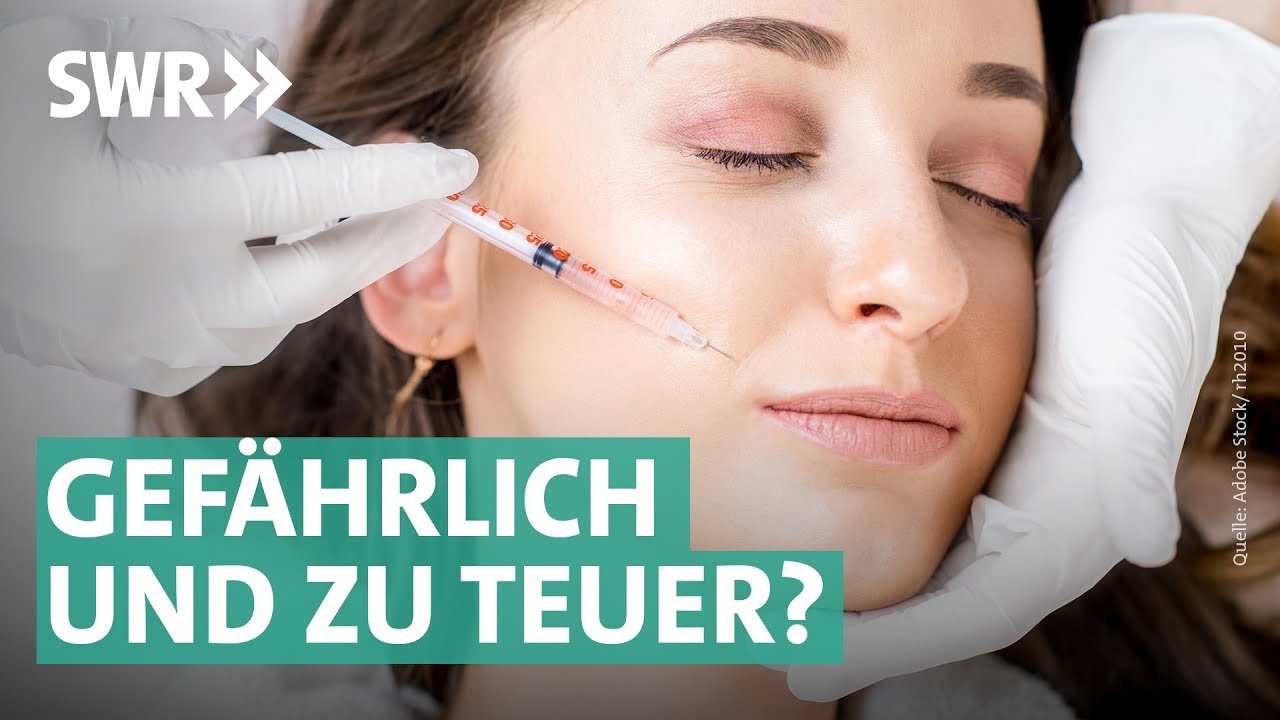
Most botox clinic services for the upper face take 10 to 20 minutes. After photographs and consent, the skin is cleansed. Some practices use ice or a quick-drying topical anesthetic. The needles are tiny. Patients describe the sensation as a brief pinprick, sometimes with mild pressure if the injector is reaching deeper into the muscle belly. I use a fresh, fine-gauge needle for sensitive areas like around the eyes.
We typically place small aliquots across multiple points. A standard plan for botox for frown lines may use five injection sites across the glabella complex, each with carefully titrated units. Forehead lines are approached with a grid that respects the natural brow lift effect of the frontalis, avoiding heavy dosing low on the forehead that might press the brows downward. For botox for crow’s feet, injections sit just outside the orbital rim to protect the eye and reduce diffusion risk.
Expect minor redness that fades within an hour and, in some cases, tiny mosquito-bite bumps that settle within 10 to 20 minutes. Makeup can usually be applied later the same day, with clean brushes. I advise avoiding strenuous workouts, deep facial massages, saunas, or lying face down for several hours to reduce the chance of diffusion.
Early results, full onset, and the two-week check
Botox therapy starts to show a hint of effect by day 3 for many, though some feel nothing until day 5 or 6. Peak smoothing typically arrives at the two-week mark. That is why many practices schedule a two-week follow-up for a quick assessment and touch up if needed. A subtle asymmetry can emerge when one brow recruits more than the other. A conservative initial approach followed by a botox touch up treatment at that two-week visit tends to produce the most harmonious outcome.
It is common for patients who are new to botox skin care treatment to think nothing is happening until the first moment they try to raise their brows and feel a gentle resistance. That shift should not feel heavy. If it does, the frontalis may have been overdosed or injected too low. The fix is patience; the effect softens as the neuromodulator wears off. At the two-week check, if a specific line remains too active, tiny additional units can target that stubborn area.
Dosing, units, and the myth of “how many do I need”
I am often asked for a price quote via email or phone with the question, “How many units for forehead lines?” The honest answer is that it varies. The FDA provides on-label dosing ranges for certain areas, but technique and face shape shape the final plan. A petite forehead with minimal movement might require a fraction of what a very expressive forehead needs. Men often need higher units due to thicker muscle, though I treat plenty of women with robust frontalis muscles and plenty of men with lighter movement. A thoughtful injector adjusts the plan in real time, which is part of the art of botox professional treatment.
Another myth is that higher dosing always yields longer-lasting botox skin improvement. Past a certain point, adding units can increase the risk of flatness or asymmetry without appreciably extending longevity. I prefer to aim for enough control to reduce folding while preserving some movement, particularly laterally where we emote with our brows during conversation. The best botox cosmetic facial care leaves you looking like you, only a little more rested.
Safety profile and side effect spectrum
When a licensed medical professional uses authentic product and proper technique, botox dermatology treatment has a strong safety record. The most common effects are minor bruising or tenderness at injection points. Bruises usually fade within a week and can be concealed with makeup after the first day. Headaches occur in a small percentage of patients after the first treatment and typically resolve within a few days.
More significant but less common effects include brow or eyelid ptosis, asymmetry, or smile weakness if product diffuses to adjacent muscles. Nearly all of these outcomes improve as the botox anti aging injections wear off. Pre-procedure planning reduces risk. Avoiding blood thinners when possible, pausing high-dose fish oil and certain supplements, and keeping one’s head elevated for a few hours after treatment can help minimize bruising and diffusion. Your injector should review medications and health history to reduce risk and ensure a botox minimally invasive treatment remains exactly that.
True allergies to botulinum toxin are rare. If you have a neuromuscular disorder or are pregnant or breastfeeding, your provider will advise deferring treatment. Authenticity matters, so choose a practice that sources from official distributors and can show you the vial and lot number on request.
Natural outcomes rely on balance, not maximal smoothing
One patient story stays with me. A news anchor came seeking botox for forehead lines and botox for expression lines around the eyes. She needed range, not stillness, to keep her delivery warm on camera. We mapped her strongest vectors and placed a lighter dose laterally to preserve brow mobility, paired with botox for crow’s feet at a conservative spread to soften the radiating lines without deadening her smile. The anchor returned two weeks later delighted that viewers commented on how well rested she looked without a single mention of “work.”
That result came from respecting the balance between the depressors and elevators of the brow. Over-relax the frontalis without addressing the glabella and the brows can feel heavy. Treat the glabella without a feather of forehead support and you may get a peaked “Spock” brow. Proper botox facial therapy considers how expressions play across the entire upper face, not just one wrinkle.
Preventive treatment and timing the first session
There is debate about botox preventive treatment in clients in their mid-20s or early 30s. The logic is sound: calm repetitive motion early to avoid engraving deep lines. My take is practical. If a crease is only visible with exaggerated expression and your resting skin is smooth, a skincare-first plan with sunscreen, retinoids, and antioxidant support can serve you well. If you notice faint lines persisting at rest after smiling or frowning, light botox early wrinkle treatment a few times a year can prevent them from setting in.
You do not need to start early to benefit later. Many patients begin in their late 30s or 40s and achieve elegant outcomes. The difference is that static lines set over decades may also need resurfacing or fillers in combination with botox skin rejuvenation to fully smooth. A realistic plan acknowledges where motion control helps and where skin repair or volume restoration carry the load.
How long results last and what influences longevity
Typical duration is 3 to 4 months for upper-face botox skin wrinkle treatment, sometimes a bit shorter in very active individuals, and sometimes a bit longer with consistent treatments. Several factors influence this:
- Muscle bulk and baseline strength. Larger muscles need higher dosing and may metabolize product slightly faster. Activity levels and metabolism. Athletes or those with fast metabolisms sometimes notice shorter intervals between botox rejuvenation injections. Dose and spread. Under-dosing may look natural but fade faster; over-dosing extends time slightly at the cost of expressive range. Treatment consistency. Regular botox maintenance treatment can subtly retrain movement patterns, often making results look better, not frozen, at lower doses over time. Product choice and placement precision. Authentic product, correct dilution, and targeted placement all improve reliability.
Most patients settle into a rhythm of visits every 3 to 4 months. Some prefer a lighter, more expressive look with sessions every 2 to 3 months. Others, especially after several cycles, can extend to 5 months in certain areas while staying satisfied.
Post-care that actually matters
Care after botox face therapy should be simple. Skip heavy workouts, upside-down yoga poses, and saunas for the first evening. Sleep with your head elevated the first night if you are bruise-prone. Avoid rubbing or massaging the treated areas. If a bruise forms, arnica or a cool compress can help. Makeup is fine later in the day, applied gently with clean tools.
If a headache shows up the next day, hydration and usual over-the-counter pain relief help, as long as your clinician agrees. Report any unusual vision changes or pronounced droop to your provider, though these are rare. And do not panic if you do not see results right away. Give botox cosmetic injections the full two weeks to settle before judging the outcome.
Pricing, units, and value in context
Botox is often priced per unit or by area. Per-unit pricing tends to be more transparent since faces vary. You may find clinics bundling “forehead,” “frown,” or “crow’s feet” as set areas, but a one-size area price can lead to either under-treatment or botox over-treatment if the injector tries to make the numbers fit. I prefer per-unit pricing with a shared understanding of the result goal. The true value rests on three pillars: authentic product, experienced technique, and a plan that centers your anatomy and preferences. Bargain hunting in this domain often backfires.
Combining Botox with skin care for stronger results
Botox cosmetic skin care is a team sport alongside daily habits. A high-SPF sunscreen reduces the UV-driven collagen breakdown that compounds creasing. A well-tolerated retinoid or retinol increases cell turnover and collagen remodeling over time. Vitamin C serums help address oxidative stress and even skin tone. Hydration from a sensible moisturizer improves the way light reflects off the skin surface, making botox facial smoothing look even better.
Procedurally, consider pairing botox skin rejuvenation therapy with light energy-based treatments, microneedling, or biostimulators when indicated. Sequence matters. I usually treat with neuromodulators first, then layer resurfacing or stimulatory treatments a couple of weeks later so expressions are calmed and the skin receives more uniform energy. For deeper etched lines at rest, a small amount of hyaluronic acid filler can complement botox wrinkle smoothing without overfilling.
Special scenarios that shape the plan
Smokers often show deeper vertical lip lines, and while botox smile line treatment can help with perioral movement, those static etchings typically demand resurfacing or micro-droplet filler for optimal improvement. Patients with very low-set brows need delicate forehead dosing to prevent heaviness, prioritizing glabella treatment and feathering the upper forehead. For someone with a history of heavy eyelids, I may rely more on botox expression line treatment at the glabella and limit forehead units to preserve lift.
Athletes and fitness professionals who rely on frequent, intense workouts can still enjoy botox face therapy. I simply schedule morning treatments on a rest day or ask for a brief pause in intense training the same day. Chefs and public speakers who animate constantly need slightly different dosing to honor their livelihoods while reducing crease formation. There is no single template for botox cosmetic enhancement. Your work, habits, and facial choreography inform where we place every drop.
How to choose a practice for Botox
Credentials matter, but so does the consultation dynamic. You want an injector who studies your face in motion, explains trade-offs clearly, and is willing to start conservatively. Look for a clinic that documents with photos, welcomes a two-week review, and keeps meticulous records so each botox aesthetic skin therapy session builds on the last.
Ask about product sourcing. Authentic vials originate from official distributors and are stored correctly. Inquire about management of complications. A clinic that discusses rare but real risks forthrightly is one that will also take good care of you if a touch up is needed.
What a realistic year of Botox looks like
A well-planned year features three to four sessions for most upper-face patients. At the first visit, we learn how your muscles respond. The second visit refines symmetry and dosing. By the third, the plan tends to feel tailored, with small adjustments based on season, travel, or events. Some clients add botox cosmetic skin therapy to the masseters if clenching flares, or a light lip treatment before a wedding or photoshoot. Others pair their visits with seasonal peels or fractional treatments. The key theme is rhythm: consistent, incremental care rather than sporadic overhauls.
As the year progresses, patients often report a pleasant surprise. Makeup sits better, photos require less editing, and the late-day fatigue face eases. That effect is not magic, it is simply the compound benefit of reducing constant folding. If at any point the look feels too quiet for your taste, we scale back at the next session. Botox cosmetic care is reversible over weeks and customizable every time you return.
Frequently asked practical questions
Do I look older when it wears off? No. When botox skin smoothing injections fade, you return to your baseline. You have simply spent months not reinforcing lines, which is a net positive. Some people notice gentle residual softening compared with their old baseline after several cycles.
Can I travel after treatment? Yes, with basic precautions. Avoid heavy pressure on treated areas for the first several hours. Flights are fine. For a long-haul trip, schedule treatment at least a few days before departure so any tiny bruises settle.
What if I see a small unevenness? Schedule the two-week follow-up. Minor adjustments with botox touch up treatment can correct mild asymmetry or lift a stubborn line.
Will I still look like me? The goal of botox facial wrinkle care is exactly that: you, with fewer creases from overused muscle groups. Friends and colleagues tend to say you look rested, not “different,” when dosing is calibrated well.
How soon can I repeat treatment? Most people return at 12 to 16 weeks. If you prefer a very light look, you may come a bit sooner. Work with your injector to time visits around big events.
Final thoughts from the treatment room
After countless sessions, I still find the most rewarding part of botox skin care injections is the way small, precise changes shift how someone feels walking into a meeting or seeing themselves in candid photos. Good work whispers. It sidesteps the heavy-handed “done” look and lands on a version of your face that looks how you feel on your best day.
Elevating beauty care with botox professional injections does not hinge on maximal dosing or chasing every line. It relies on studying movement patterns, honoring facial identity, and understanding the interplay between muscle dynamics and skin quality. If you decide to try botox cosmetic therapy, bring a clear sense of what you hope to see, be open to a measured start, and choose a partner who treats your face like the singular map it is. The rest is refinement, timed in quiet, three-month beats, building a result that reads as effortless in any light.